Thursday, October 21, 2010


Monday, October 11, 2010
Sunday, October 3, 2010
Tuesday, September 28, 2010
The Sinai Bedouin marginalized
By Ayman Mohyeldin and Adam Makary
The holiness of Sinai is indubitable.
Prophet Abraham was believed to have crossed it. Centuries later, the Prophet Moses spent his life there and it was on top of Mount Sinai where he was said to have received the Ten Commandments. The Bible documents the journey of Mary, Joseph and Jesus across the peninsula en route to the mainland. And in the Quran, Sinai is mentioned more than 10 times.
Yet these days, the area's spiritual significance is the only thing that Egyptian officials and the Bedouins who live there can agree on.
Marginalised
Throughout history it has been the land bridge between Asia, Africa and the sequential civilisations of the ancient world. Today, it has become a hotbed for clashes that no Egyptian government has been able to resolve since a landmark peace deal was signed between Egypt and Israel in 1979.
For decades, the Egyptian authorities and the Bedouins have been at bitter odds over their opposing takes on how to develop and govern the peninsula.
Human rights experts believe the conflict stems from a lack of economic incentives in the region, which forces some Bedouins to turn to illegal activities such as drug and human trafficking and the smuggling of goods and weapons across the border with Gaza.
"The problem also stems from the fact that there are services that Egyptians can enjoy, but Bedouins do not - and that comes in the form of proper healthcare, access to clean water and other socioeconomic rights they are not given" Heba Morayef, the Cairo officer for Human Right's Watch, says.
"And apart from the tourism industry there are no other opportunities made available."
Bedouins also complain that the government has marginalised them from modern Egyptian society. Today, many do not hold national ID cards and are more loyal to their tribal chiefs than the state.
Ziad Moussa, a political analyst with the al-Ahram Centre for Political and Strategic Studies, says: "The government does not take into account that they are dealing with a culturally different people, there is no consideration for their ethics and values in their dealings."
National pride
in video
Egypt's Bedouins cry foul
After Israel occupied the peninsula in the 1967 war, Egypt's national agenda revolved around regaining its lost territory.
Efforts to take back what was seized quickly became a symbol of national pride and in October 1973, Egypt launched a surprise attack on Israel with the aim of winning Sinai back. With the backing of Arab states, Egypt succeeded in doing so.
In 1978, the signing of the Camp David Peace Accords between Israel and Egypt marked the culmination of nearly 15 years of Egyptian military and diplomatic efforts. A landmark peace deal came one year later, but it was not until 1982 that Israeli forces fully withdrew from Sinai.
Once back in Egyptian hands, Sinai emerged as a new tourism hub in a country that was already generating billions of dollars in revenue from historic sites such as the Great Pyramids of Giza and the Valley of the Kings in Luxor. The southern-most tip of the peninsula, Sharm el-Sheikh, started to compete with other global seaside destinations.
Today, Sinai accounts for nearly one-third of the country's total tourism revenue.
Geopolitical significance
But aside from its economic significance, Sinai is also extremely important from a geopolitical standpoint.
To the west of the peninsula lies the Suez Canal, a vital waterway for global oil shipments and trade from Asia to Europe and beyond. To the north the Sinai shares a volatile border with Israel and the Gaza Strip, and to the east at a visible distance lay Jordan and Saudi Arabia, countries which are of strategic importance to both Egypt and the rest of the region.
Because of its decisive location the Sinai Peninsula plays a crucial role in maintaining stability in the region, but the lynch pin to keeping the Sinai stable is the relationship between the Egyptian government and the local Bedouin population who claim they have been largely overlooked in the development of Egypt's prized peninsula.
Ramadan, a south Sinai Bedouin who has been working as a tour guide since he was 16 years old, treks up Mount Sinai at least once a day. He says he would have preferred to become a doctor. But as a Bedouin, Ramadan could not dream of a job outside the tourism industry.
"First and foremost, we don't think of ourselves as Egyptian. We meet Egyptians and sometimes we don't even know how to relate. They're people of a different kind," Ramadan says.
Mosaad Abu Fagr, a Bedouin activist from north Sinai agrees, but says the disconnect comes from the government's neglect of the Bedouins' most basic needs.
"The Egyptian government does not offer us anything. Even our water is bad and our customs and tribal laws have been ruined so it's no wonder that many people here have turned into outlaws over the years. All of this is because of the absence of a real development plan that the government should have presented as soon as they regained Sinai."
Government sweep
Abu Fagr was released from jail in July after serving 30 months in prison for charges he denies.
"They put me with criminals, those accused of drug trafficking or theft, of criminal charges not political ones. They considered me responsible for all of Sinai's civil society struggles in 2007. They even put my colleagues in prison because of these events."
His release came after Habib el-Adly, Egypt's interior minister, held a series of meetings with Bedouin tribal elders in June in which both sides agreed to try to improve relations. In the weeks that followed, as a gesture of good faith Abu Fagr and at least 200 other Bedouin activists were released from jail.
Many of those released, including Abu Fagr, had been arrested on suspicion of terrorism following three major bomb attacks in Sinai between 2004 and 2006 in which over 150 people were killed and hundreds more wounded.
The Egyptian government blamed al-Qaeda, but it was widely believed that Bedouins helped smuggle the explosives used in the attacks across the peninsula.
The government responded by launching a massive sweep of the territory. It is estimated that 1,000 to 3,000 Bedouins are held in Egyptian jails. An additional 10,000 are wanted by the government on what activists say are trumped up or false charges, which has further aggravated relations between the two sides.
Yehya Abu Nusayra, a Bedouin activist, says he was arrested with Abu Fagr "for no reason".
"I have two sons who had to leave their high school education and work because I was not around to support them," he says.
Heavy-handed
Many political analysts say the government's heavy-handed approach to dealing with Bedouins who engage in illegal smuggling has been ineffective.
"There is a very weak state presence in Sinai despite the strong security presence. The only state presence in Sinai is a security state. You can't blame the Bedouins for not cooperating with an organ that oppresses them," says al-Ahram's Ziad Moussa.
Abu Fagr says that there are more than 13 police stations in north Sinai alone, making it one of the tightest security zones in Egypt.
To this day many Egyptians consider the traditional and modest Bedouin lifestyle to be primitive.
"The situation is a result of a profound lack of mutual understanding, it is not merely a matter of security, it's an ethnic minority issue," says Moussa.
That some Bedouins collaborated with the Israeli military during Israel's occupation has fuelled mistrust and fed a negative stereotype that persists to this day. But, many also worked as informants for Egyptian intelligence providing key information on Israeli positions and military movements.
The knowledge Bedouins have of the topography acquired over centuries of roaming the peninsula has given them an upper hand in navigating the Sinai's terrain, allowing them to move with ease across the mountainous border with Israel.
In recent years, Bedouins have becoming increasingly involved in the trafficking of African migrants into Israel. This has created a diplomatic crisis with Israel demanding Cairo do more to curb the flow of migrants. Egypt has responded by adopting a zero-tolerance policy against migrants passing through its borders which in turn has drawn strong condemnation from human rights organisations.
This year alone at least 28 migrants have been shot dead at the border, 24 by the border patrol and the others by their Bedouin smugglers.
Question of survival
However, Bedouins claim they are left with few alternative ways to make a living in a region sorely lacking economic opportunities and basic infrastructure.
"For the Bedouins, it's a question of survival, they have no choice but to turn to these illegal activities," says Moussa.
And while the government has poured millions into the development of south Sinai, development in the northern region has been slow and irregular.
But Mohamed Shousha, the governor of south Sinai, believes the peninsula is heading in the right direction.
"The people of Sinai, the Bedouins themselves, have entered partnerships in tourism. They have become part of the tourism industry, and once they have integrated into this industry they will protect it along with its interests," he says.
But Bedouins across the peninsula question the government's approach and say the benefits from Egypt's tourism industry are limited and cannot satisfy their hunger for real integration with the Egyptian people.
The need for Sinai's Bedouins and the Egyptian government to see eye-to-eye on more than Sinai's spiritual significance is becoming an increasingly urgent matter.
http://english.aljazeera.net/photo_galleries/middleeast/201092612153319304.html
The holiness of Sinai is indubitable.
Prophet Abraham was believed to have crossed it. Centuries later, the Prophet Moses spent his life there and it was on top of Mount Sinai where he was said to have received the Ten Commandments. The Bible documents the journey of Mary, Joseph and Jesus across the peninsula en route to the mainland. And in the Quran, Sinai is mentioned more than 10 times.
Yet these days, the area's spiritual significance is the only thing that Egyptian officials and the Bedouins who live there can agree on.
Marginalised
Throughout history it has been the land bridge between Asia, Africa and the sequential civilisations of the ancient world. Today, it has become a hotbed for clashes that no Egyptian government has been able to resolve since a landmark peace deal was signed between Egypt and Israel in 1979.
For decades, the Egyptian authorities and the Bedouins have been at bitter odds over their opposing takes on how to develop and govern the peninsula.
Human rights experts believe the conflict stems from a lack of economic incentives in the region, which forces some Bedouins to turn to illegal activities such as drug and human trafficking and the smuggling of goods and weapons across the border with Gaza.
"The problem also stems from the fact that there are services that Egyptians can enjoy, but Bedouins do not - and that comes in the form of proper healthcare, access to clean water and other socioeconomic rights they are not given" Heba Morayef, the Cairo officer for Human Right's Watch, says.
"And apart from the tourism industry there are no other opportunities made available."
Bedouins also complain that the government has marginalised them from modern Egyptian society. Today, many do not hold national ID cards and are more loyal to their tribal chiefs than the state.
Ziad Moussa, a political analyst with the al-Ahram Centre for Political and Strategic Studies, says: "The government does not take into account that they are dealing with a culturally different people, there is no consideration for their ethics and values in their dealings."
National pride
in video
Egypt's Bedouins cry foul
After Israel occupied the peninsula in the 1967 war, Egypt's national agenda revolved around regaining its lost territory.
Efforts to take back what was seized quickly became a symbol of national pride and in October 1973, Egypt launched a surprise attack on Israel with the aim of winning Sinai back. With the backing of Arab states, Egypt succeeded in doing so.
In 1978, the signing of the Camp David Peace Accords between Israel and Egypt marked the culmination of nearly 15 years of Egyptian military and diplomatic efforts. A landmark peace deal came one year later, but it was not until 1982 that Israeli forces fully withdrew from Sinai.
Once back in Egyptian hands, Sinai emerged as a new tourism hub in a country that was already generating billions of dollars in revenue from historic sites such as the Great Pyramids of Giza and the Valley of the Kings in Luxor. The southern-most tip of the peninsula, Sharm el-Sheikh, started to compete with other global seaside destinations.
Today, Sinai accounts for nearly one-third of the country's total tourism revenue.
Geopolitical significance
But aside from its economic significance, Sinai is also extremely important from a geopolitical standpoint.
To the west of the peninsula lies the Suez Canal, a vital waterway for global oil shipments and trade from Asia to Europe and beyond. To the north the Sinai shares a volatile border with Israel and the Gaza Strip, and to the east at a visible distance lay Jordan and Saudi Arabia, countries which are of strategic importance to both Egypt and the rest of the region.
Because of its decisive location the Sinai Peninsula plays a crucial role in maintaining stability in the region, but the lynch pin to keeping the Sinai stable is the relationship between the Egyptian government and the local Bedouin population who claim they have been largely overlooked in the development of Egypt's prized peninsula.
Ramadan, a south Sinai Bedouin who has been working as a tour guide since he was 16 years old, treks up Mount Sinai at least once a day. He says he would have preferred to become a doctor. But as a Bedouin, Ramadan could not dream of a job outside the tourism industry.
"First and foremost, we don't think of ourselves as Egyptian. We meet Egyptians and sometimes we don't even know how to relate. They're people of a different kind," Ramadan says.
Mosaad Abu Fagr, a Bedouin activist from north Sinai agrees, but says the disconnect comes from the government's neglect of the Bedouins' most basic needs.
"The Egyptian government does not offer us anything. Even our water is bad and our customs and tribal laws have been ruined so it's no wonder that many people here have turned into outlaws over the years. All of this is because of the absence of a real development plan that the government should have presented as soon as they regained Sinai."
Government sweep
Abu Fagr was released from jail in July after serving 30 months in prison for charges he denies.
"They put me with criminals, those accused of drug trafficking or theft, of criminal charges not political ones. They considered me responsible for all of Sinai's civil society struggles in 2007. They even put my colleagues in prison because of these events."
His release came after Habib el-Adly, Egypt's interior minister, held a series of meetings with Bedouin tribal elders in June in which both sides agreed to try to improve relations. In the weeks that followed, as a gesture of good faith Abu Fagr and at least 200 other Bedouin activists were released from jail.
Many of those released, including Abu Fagr, had been arrested on suspicion of terrorism following three major bomb attacks in Sinai between 2004 and 2006 in which over 150 people were killed and hundreds more wounded.
The Egyptian government blamed al-Qaeda, but it was widely believed that Bedouins helped smuggle the explosives used in the attacks across the peninsula.
The government responded by launching a massive sweep of the territory. It is estimated that 1,000 to 3,000 Bedouins are held in Egyptian jails. An additional 10,000 are wanted by the government on what activists say are trumped up or false charges, which has further aggravated relations between the two sides.
Yehya Abu Nusayra, a Bedouin activist, says he was arrested with Abu Fagr "for no reason".
"I have two sons who had to leave their high school education and work because I was not around to support them," he says.
Heavy-handed
Many political analysts say the government's heavy-handed approach to dealing with Bedouins who engage in illegal smuggling has been ineffective.
"There is a very weak state presence in Sinai despite the strong security presence. The only state presence in Sinai is a security state. You can't blame the Bedouins for not cooperating with an organ that oppresses them," says al-Ahram's Ziad Moussa.
Abu Fagr says that there are more than 13 police stations in north Sinai alone, making it one of the tightest security zones in Egypt.
To this day many Egyptians consider the traditional and modest Bedouin lifestyle to be primitive.
"The situation is a result of a profound lack of mutual understanding, it is not merely a matter of security, it's an ethnic minority issue," says Moussa.
That some Bedouins collaborated with the Israeli military during Israel's occupation has fuelled mistrust and fed a negative stereotype that persists to this day. But, many also worked as informants for Egyptian intelligence providing key information on Israeli positions and military movements.
The knowledge Bedouins have of the topography acquired over centuries of roaming the peninsula has given them an upper hand in navigating the Sinai's terrain, allowing them to move with ease across the mountainous border with Israel.
In recent years, Bedouins have becoming increasingly involved in the trafficking of African migrants into Israel. This has created a diplomatic crisis with Israel demanding Cairo do more to curb the flow of migrants. Egypt has responded by adopting a zero-tolerance policy against migrants passing through its borders which in turn has drawn strong condemnation from human rights organisations.
This year alone at least 28 migrants have been shot dead at the border, 24 by the border patrol and the others by their Bedouin smugglers.
Question of survival
However, Bedouins claim they are left with few alternative ways to make a living in a region sorely lacking economic opportunities and basic infrastructure.
"For the Bedouins, it's a question of survival, they have no choice but to turn to these illegal activities," says Moussa.
And while the government has poured millions into the development of south Sinai, development in the northern region has been slow and irregular.
But Mohamed Shousha, the governor of south Sinai, believes the peninsula is heading in the right direction.
"The people of Sinai, the Bedouins themselves, have entered partnerships in tourism. They have become part of the tourism industry, and once they have integrated into this industry they will protect it along with its interests," he says.
But Bedouins across the peninsula question the government's approach and say the benefits from Egypt's tourism industry are limited and cannot satisfy their hunger for real integration with the Egyptian people.
The need for Sinai's Bedouins and the Egyptian government to see eye-to-eye on more than Sinai's spiritual significance is becoming an increasingly urgent matter.
http://english.aljazeera.net/photo_galleries/middleeast/201092612153319304.html
Tuesday, September 21, 2010
Sunday, September 19, 2010


Thursday, September 16, 2010
Egypt: Climbing God’s mountain
MT. SINAI: In the heart of the Sinai Peninsula lies the biblical mountain that Moses supposedly received the Ten Commandments from God thousands of years ago. When Moses went to traverse the sharp edges of the mountain to pray at the summit, God granted him what has come to characterize monotheistic religion at the present moment. The Ten Commandments are arguably the most well known laws God granted humanity. Mount Sinai has become a regular place of pilgrimage for millions of people the world over.
This sacred mountain, when climbed today, is a spiritual journey that people of all creeds and ethnicities come to each year in the hope of experiencing the hand of God in this world. Mount Sinai is a path to a different world. With perseverance even the average climber can get to the top of the mountain and bear witness to the birth of modern monotheism.
Seeing the sunrise at dawn, following a few hours of arduous climbing, can change the way we perceive the world. Here, the desert that Moses and the early Jewish people crossed unfolds before your eyes. The spectacular view from where Moses received the stone tablets containing the commandments of God is unlike any location on earth. It is here that religion truly becomes a part of ones life.
This journey, like most in Egypt, begins in Cairo, where the ideal trip consists of renting a mini-bus for the six-hour road trip into God’s land. After entering the Sinai, with its picturesque peaks and reddish glow, head to St. Katherine, the home to one of the earliest churches in Christendom. A friend once said, “this is Sinai, built by God some time ago by moving water. Maybe it should have been left submerged.” We laughed at the irony. Without Sinai there would be no mountains for the Israelites to flee to and no mountain for Moses to climb. St. Katherine was built in order to recognize the importance of that mountain that is situated directly behind.
Arguably the most famous mountain on the planet, maybe second only to Everest, Gabal Moussa, in Arabic, or Mount Moses (Mount Sinai), is, at first glance a seemingly unrecognizable peak within a chain of hundreds of mountains that look almost similar. Despite the obvious difficulty of this being the actual mountain Moses received Tablets from God, thousands of pilgrims and tourists traverse the rugged Sinai in order to climb this sacred mountain, which is believed to actually be the location of where Moses received the Ten Commandments.
From St. Katherine, after an evening of shisha and relaxation with the Bedouins, the trip to the top of the mountain begins. Hours after the sun has set, the sacred path to the top takes its first step. There are two paths to choose from. One, the path of penitence is the more difficult. This route consists of stairs to the top. It is a testament to God, in which the climber climbs thousands of steps that go almost straight up. The second path is a bit easier, as it consists of a dirt pathway that zigzags up the mountain. While this route is not as difficult as the stairs, it still tests the will.
With flashlights as the only assistance up the mountain it is easy to picture Moses, clad in his wooden sandals and long robe ascending to the peak in order to pray and ask God for help from the troublesome times the Israelites were in. Continuing to climb what feels like a never-ending journey through the crevices that asking God for His help doesn’t seem out of question. The darkness does not allow for the cliffs to be discernable, obviously making the climb much more palatable. Nobody would want to know that one little slip and the fall would probably break many bones in the body. There is no turning back after making it a few hundred kilometers.
If climbing a mountain by foot is out of the question due to physical reasons, the Bedouin guides that accompany the groups up the mountain have at their disposal camels and donkeys, which can be ridden if the need arises. This allows for all people, without discrimination of age and physical state, to ascend God’s great mountain.
At times the mountain seems to give way to the ardent climber with level paths that make the climber, at least I did, believe the end is near. However, almost as the luxury of being able to walk straight for a while sets in, God’s mountain throws another climb in the wake. As the footprints of calm are wisped away by the next upward climb, it becomes evident that submission to the will of God begins to be a full force if making it to the summit is going to be a reality.
It is a trial in a sense. Getting to the top of the mountain is a test from God. Passing the test means walking up a jagged mountain for hours in order to bear witness that the spiritual quest was worth the struggle.
For hours climbing, the only thought is that nothing will make this journey worthwhile, until of course, the summit that Moses reached three thousand years ago is finally reached. Now it is a waiting game. After what seems like days, which in fact is no more than a few hours, the climber, winded and tired still has to wait until sunrise to fulfill the journey set out earlier in the evening. But it is worth every second of the arduous climb to the summit.
Make sure to have brought warm clothes, because unlike most of Egypt, the summit of Sinai Mountain is not a pleasant place for the underdressed. With winds gusting at speeds of up to 50 kilometers an hour the warmth of a blanket or two cannot be stressed. There is no greater displeasure than waiting for the warmth of the Sinai sun to makes its break over the surrounding mountain peaks than being utterly cold because the wrong attire was worn.
As daybreak begins to form, the mountain begins to come alive. Its reddish glow starts to come into view. Off in the distance the Red Sea is awakening, with Bedouin and visitor still asleep. If only they knew what they were missing. The sun slowly makes its way across the horizon. This is the time to snap beautiful pictures of the landscape below. The sun appears to race across the desert as if it was competing with the moon for the moment.
http://bikyamasr.com/wordpress/?p=16996
This sacred mountain, when climbed today, is a spiritual journey that people of all creeds and ethnicities come to each year in the hope of experiencing the hand of God in this world. Mount Sinai is a path to a different world. With perseverance even the average climber can get to the top of the mountain and bear witness to the birth of modern monotheism.
Seeing the sunrise at dawn, following a few hours of arduous climbing, can change the way we perceive the world. Here, the desert that Moses and the early Jewish people crossed unfolds before your eyes. The spectacular view from where Moses received the stone tablets containing the commandments of God is unlike any location on earth. It is here that religion truly becomes a part of ones life.
This journey, like most in Egypt, begins in Cairo, where the ideal trip consists of renting a mini-bus for the six-hour road trip into God’s land. After entering the Sinai, with its picturesque peaks and reddish glow, head to St. Katherine, the home to one of the earliest churches in Christendom. A friend once said, “this is Sinai, built by God some time ago by moving water. Maybe it should have been left submerged.” We laughed at the irony. Without Sinai there would be no mountains for the Israelites to flee to and no mountain for Moses to climb. St. Katherine was built in order to recognize the importance of that mountain that is situated directly behind.
Arguably the most famous mountain on the planet, maybe second only to Everest, Gabal Moussa, in Arabic, or Mount Moses (Mount Sinai), is, at first glance a seemingly unrecognizable peak within a chain of hundreds of mountains that look almost similar. Despite the obvious difficulty of this being the actual mountain Moses received Tablets from God, thousands of pilgrims and tourists traverse the rugged Sinai in order to climb this sacred mountain, which is believed to actually be the location of where Moses received the Ten Commandments.
From St. Katherine, after an evening of shisha and relaxation with the Bedouins, the trip to the top of the mountain begins. Hours after the sun has set, the sacred path to the top takes its first step. There are two paths to choose from. One, the path of penitence is the more difficult. This route consists of stairs to the top. It is a testament to God, in which the climber climbs thousands of steps that go almost straight up. The second path is a bit easier, as it consists of a dirt pathway that zigzags up the mountain. While this route is not as difficult as the stairs, it still tests the will.
With flashlights as the only assistance up the mountain it is easy to picture Moses, clad in his wooden sandals and long robe ascending to the peak in order to pray and ask God for help from the troublesome times the Israelites were in. Continuing to climb what feels like a never-ending journey through the crevices that asking God for His help doesn’t seem out of question. The darkness does not allow for the cliffs to be discernable, obviously making the climb much more palatable. Nobody would want to know that one little slip and the fall would probably break many bones in the body. There is no turning back after making it a few hundred kilometers.
If climbing a mountain by foot is out of the question due to physical reasons, the Bedouin guides that accompany the groups up the mountain have at their disposal camels and donkeys, which can be ridden if the need arises. This allows for all people, without discrimination of age and physical state, to ascend God’s great mountain.
At times the mountain seems to give way to the ardent climber with level paths that make the climber, at least I did, believe the end is near. However, almost as the luxury of being able to walk straight for a while sets in, God’s mountain throws another climb in the wake. As the footprints of calm are wisped away by the next upward climb, it becomes evident that submission to the will of God begins to be a full force if making it to the summit is going to be a reality.
It is a trial in a sense. Getting to the top of the mountain is a test from God. Passing the test means walking up a jagged mountain for hours in order to bear witness that the spiritual quest was worth the struggle.
For hours climbing, the only thought is that nothing will make this journey worthwhile, until of course, the summit that Moses reached three thousand years ago is finally reached. Now it is a waiting game. After what seems like days, which in fact is no more than a few hours, the climber, winded and tired still has to wait until sunrise to fulfill the journey set out earlier in the evening. But it is worth every second of the arduous climb to the summit.
Make sure to have brought warm clothes, because unlike most of Egypt, the summit of Sinai Mountain is not a pleasant place for the underdressed. With winds gusting at speeds of up to 50 kilometers an hour the warmth of a blanket or two cannot be stressed. There is no greater displeasure than waiting for the warmth of the Sinai sun to makes its break over the surrounding mountain peaks than being utterly cold because the wrong attire was worn.
As daybreak begins to form, the mountain begins to come alive. Its reddish glow starts to come into view. Off in the distance the Red Sea is awakening, with Bedouin and visitor still asleep. If only they knew what they were missing. The sun slowly makes its way across the horizon. This is the time to snap beautiful pictures of the landscape below. The sun appears to race across the desert as if it was competing with the moon for the moment.
http://bikyamasr.com/wordpress/?p=16996
Wednesday, August 25, 2010
Tar'abin tribe living in Cairo
CAIRO: In the heart of the fancy Cairo suburb of Maadi lies the district of “Al Arab”, named after its original inhabitants, Arab Bedouin tribes from Sinai who first settled there and are now striving to maintain their Bedouin heritage amidst a strong wave of urbanization fueled by the education of younger generations.
At iftar in Ramadan, at their ma’ads — rest houses named after each family of the tribe — they serve large plates of rice topped by grilled meat. In their Bedouin style, everyone eats directly from the main plate. After iftar, it’s time for family gatherings where tea is served and cousins chat about almost everything.
A branch of the Tarabin tribe in Sinai — currently locked in a feud with the government — Arab families living in the capital could trace back their Cairo presence to the Mohamed Ali era and even earlier. However, they only started to get IDs and be recruited in the army since King Farouk’s reign in 1936.
Although he spent his whole life in Cairo, Hassan Hussein, an old man in his 60s, speaks with an unmistakable Bedouin accent and wears a traditional galabeya. He points with pride to the family tree placed in the middle of the ma'ad, documenting the roots of the family. However, he regrets that family members no longer inform them of newborns so that they can add them to the tree.
“Ever since people started getting an education and things have changed a lot; people became open-minded and got more involved with metropolitan Egyptians,” Hussein says.
The biggest example of such change, according to him, is marriage between family members and “Egyptian peasants” — something that their ancestors would have never allowed. An old Bedouin proverb says families prefer “a crocodile to eat” their daughters over allowing them to marry outside the family.
In the Bedouin mindset, a peasant only works on the land owned by the Bedouin while slaves are there to serve them; they shouldn’t mix with either of them through marriage.
Until recently, Cairo’s Bedouins managed to maintain some of their traditions, such as hosting guest in ma’ads without asking them about the reason for their visit for three days.
The Abu Diab family remains in charge of sorting out feuds between the rest of the families. In such arbitrations, each family brings a neutral judge to a host’s house. After eating the specially prepared banquet, each side presents their complaint and a ruling is made that everyone is obliged to follow.
On the other side, the position of a head-Sheikh for each family has disappeared and it’s up to people like Hussein to document the family’s history.
He takes special pride in his family saying they are descendants of prophet Mohamed.
Tarabin, a name derived from the valley they first settled in called “Taraba” in Saudi Arabia, are originally called Boqom tribes but found it easier to refer to the valley after they moved to Sinai.
A strong, hot blooded tribe, as they describe themselves, consisting of over 120 families each between 300 and 5,000 members, the Tarabin tribe enjoys a “hectic” history full of conflicts with governments and other tribes.
Settlement
According to records, the first Bedouin settlers in Cairo were Hussein Abu Shweimy and Hussein Abu Nafee’ in Basateen on the outskirts of the current Maadi. But, they never stayed in one place for a long time; they soon left to what is now called “Arab Al Der.”
They then split again due to problems with successive governments and inner conflicts; some left to their current place in Maadi while others moved to Al-Saf in Helwan.
After forced acquisition of land — through building fences around pieces of land that no one dared to trespass — they later distributed them to their children and sons-in-law.
“They had a nomadic lifestyle and had no farsighted plans for the future; but this changed with the arrival of Ali Hussein, an ambitious man who helped us settle where we are now,” Hussein said.
A strong, charismatic man with connections with the palace, Ali Hussein is considered one of the founders of Maadi as he used to hire family members as workers and guards for the projects conducted by the Maadi Company as well as Jewish properties in the area.
He had strong ties with Ibrahim Abdel Hady, former Prime Minister during King Farouk’s reign. At election season, he rode around electoral constituencies with political candidates and at the end of the day prepared huge banquets for his special guests.
He was rewarded with a grains warehouse in Old Cairo as well as developing strong ties with the police who loosened their strict grip over Arab tribes that constantly got into trouble with local residents.
“They were feared among the residents for their firm and aggressive nature; they committed crimes carelessly without being held accountable,” Hussein said.
After his death, Ali Hussein left a vast estate of land, the grain warehouse and more than LE 148,000 among others, but they were all squandered by his son, according to Hussein.
“By then, the revolution had taken place and younger generations started to join schools and later became policemen, doctors and engineers and got more and more urbanized, abandoning a lot of the Bedouin traditions,” Hussein said.
Mother tribe
Although communication is almost lost between Tarabins in Cairo and those in Sinai, they are following carefully the updates of the situation between their relatives and the Egyptian government.
“Violence will solve nothing, if the government kills one Bedouin, they will kill five policemen; authorities should sit and talk with them and try to solve their problems,” Hussein said.
Seeing how the government is dealing with the Tarabin Tribe, other tribes in Sinai — although in a feud over land and drug deals — decided to stand together, according to Hussein.
Tarabin has an advantage over other tribes like Byada and Ababda tribes through its ownership of land in northern, southern and middle Sinai.
The tribe is spread throughout Egypt, Saudi Arabia, Jordan and Gaza and is involved in smuggling weapons and aid to fellow tribe members in Gaza, Hussein said.
“A Bedouin’s first allegiance is for his tribe then comes the country in second place,” he added.
However, according to Hussein, the government, instead of rewarding the Tarabin tribe for their efforts during various wars with Israel, took their land in premium locations by force and sold it to foreign investors.
“They weren’t allowed to work nor to acquire licenses for their cars; instead, people from other governorates were brought to work in Sinai,” Hussein said.
http://www.thedailynewsegypt.com/index.php?option=com_content&view=article&id=122312&catid=1&Itemid=183
At iftar in Ramadan, at their ma’ads — rest houses named after each family of the tribe — they serve large plates of rice topped by grilled meat. In their Bedouin style, everyone eats directly from the main plate. After iftar, it’s time for family gatherings where tea is served and cousins chat about almost everything.
A branch of the Tarabin tribe in Sinai — currently locked in a feud with the government — Arab families living in the capital could trace back their Cairo presence to the Mohamed Ali era and even earlier. However, they only started to get IDs and be recruited in the army since King Farouk’s reign in 1936.
Although he spent his whole life in Cairo, Hassan Hussein, an old man in his 60s, speaks with an unmistakable Bedouin accent and wears a traditional galabeya. He points with pride to the family tree placed in the middle of the ma'ad, documenting the roots of the family. However, he regrets that family members no longer inform them of newborns so that they can add them to the tree.
“Ever since people started getting an education and things have changed a lot; people became open-minded and got more involved with metropolitan Egyptians,” Hussein says.
The biggest example of such change, according to him, is marriage between family members and “Egyptian peasants” — something that their ancestors would have never allowed. An old Bedouin proverb says families prefer “a crocodile to eat” their daughters over allowing them to marry outside the family.
In the Bedouin mindset, a peasant only works on the land owned by the Bedouin while slaves are there to serve them; they shouldn’t mix with either of them through marriage.
Until recently, Cairo’s Bedouins managed to maintain some of their traditions, such as hosting guest in ma’ads without asking them about the reason for their visit for three days.
The Abu Diab family remains in charge of sorting out feuds between the rest of the families. In such arbitrations, each family brings a neutral judge to a host’s house. After eating the specially prepared banquet, each side presents their complaint and a ruling is made that everyone is obliged to follow.
On the other side, the position of a head-Sheikh for each family has disappeared and it’s up to people like Hussein to document the family’s history.
He takes special pride in his family saying they are descendants of prophet Mohamed.
Tarabin, a name derived from the valley they first settled in called “Taraba” in Saudi Arabia, are originally called Boqom tribes but found it easier to refer to the valley after they moved to Sinai.
A strong, hot blooded tribe, as they describe themselves, consisting of over 120 families each between 300 and 5,000 members, the Tarabin tribe enjoys a “hectic” history full of conflicts with governments and other tribes.
Settlement
According to records, the first Bedouin settlers in Cairo were Hussein Abu Shweimy and Hussein Abu Nafee’ in Basateen on the outskirts of the current Maadi. But, they never stayed in one place for a long time; they soon left to what is now called “Arab Al Der.”
They then split again due to problems with successive governments and inner conflicts; some left to their current place in Maadi while others moved to Al-Saf in Helwan.
After forced acquisition of land — through building fences around pieces of land that no one dared to trespass — they later distributed them to their children and sons-in-law.
“They had a nomadic lifestyle and had no farsighted plans for the future; but this changed with the arrival of Ali Hussein, an ambitious man who helped us settle where we are now,” Hussein said.
A strong, charismatic man with connections with the palace, Ali Hussein is considered one of the founders of Maadi as he used to hire family members as workers and guards for the projects conducted by the Maadi Company as well as Jewish properties in the area.
He had strong ties with Ibrahim Abdel Hady, former Prime Minister during King Farouk’s reign. At election season, he rode around electoral constituencies with political candidates and at the end of the day prepared huge banquets for his special guests.
He was rewarded with a grains warehouse in Old Cairo as well as developing strong ties with the police who loosened their strict grip over Arab tribes that constantly got into trouble with local residents.
“They were feared among the residents for their firm and aggressive nature; they committed crimes carelessly without being held accountable,” Hussein said.
After his death, Ali Hussein left a vast estate of land, the grain warehouse and more than LE 148,000 among others, but they were all squandered by his son, according to Hussein.
“By then, the revolution had taken place and younger generations started to join schools and later became policemen, doctors and engineers and got more and more urbanized, abandoning a lot of the Bedouin traditions,” Hussein said.
Mother tribe
Although communication is almost lost between Tarabins in Cairo and those in Sinai, they are following carefully the updates of the situation between their relatives and the Egyptian government.
“Violence will solve nothing, if the government kills one Bedouin, they will kill five policemen; authorities should sit and talk with them and try to solve their problems,” Hussein said.
Seeing how the government is dealing with the Tarabin Tribe, other tribes in Sinai — although in a feud over land and drug deals — decided to stand together, according to Hussein.
Tarabin has an advantage over other tribes like Byada and Ababda tribes through its ownership of land in northern, southern and middle Sinai.
The tribe is spread throughout Egypt, Saudi Arabia, Jordan and Gaza and is involved in smuggling weapons and aid to fellow tribe members in Gaza, Hussein said.
“A Bedouin’s first allegiance is for his tribe then comes the country in second place,” he added.
However, according to Hussein, the government, instead of rewarding the Tarabin tribe for their efforts during various wars with Israel, took their land in premium locations by force and sold it to foreign investors.
“They weren’t allowed to work nor to acquire licenses for their cars; instead, people from other governorates were brought to work in Sinai,” Hussein said.
http://www.thedailynewsegypt.com/index.php?option=com_content&view=article&id=122312&catid=1&Itemid=183
Saturday, August 14, 2010
Diving in Egypt

By no means can diving be considered a cheap activity. It is, however within the means of Egypt’s growing upper middle-class. Even so, Egyptians are hard to find among the bustling boats moored around the country’s many diving sites.
Diving requires an international diving license, awarded after taking a diving course. Courses are available at any of a myriad of diving centers along Egypt’s shores. A typical diving course costs something in the range of LE1500 to LE2000 and takes three days. It includes theoretical coursework, through which you are introduced to diving, the equipment, diving tables, and information on currents, underwater communication, and underwater safety.
The first dive is done in a swimming pool in order to start the prospective diver off feeling comfortable breathing air underwater in a known and controlled environment. Subsequent dives are done in the sea.
The first diving license is issued upon successful completion of the coursework and of five underwater dives.
And that is only the beginning. More courses can be taken in underwater navigation, shipwreck diving, deep sea diving, altitude diving (diving in lakes at high altitudes), rescue diving, and more.
A first course is more than enough to be able to appreciate the wonders of Egypt’s marine life however. And diving equipment can be rented from diving centers for around LE400 for three days, depending on your needs.
If you haven’t yet dived in Egypt, you are missing out on a significant portion of the country and you are yet to discover Egypt’s full diversity and beauty. The Red Sea boasts 1248 species of fish and some 250 species of coral.
Besides the Red Sea’s vibrant sea life, the underwater landscapes themselves are breath-taking, with caves, canyons and underwater rock formations formed over millions of years all waiting to be explored.
Thomas Reef in the Strait of Tiran is one of the most spectacular diving sites in the northern Red Sea.
My diving buddies and I set out just as the sun is rising and gradually dive to 30 meters. A strong current pushes us along the reef, allowing us to save our energy and breath as we drift in a south-easterly direction.
Huge fan-shaped corals loom to our left, as high as the tallest of us and as wide as a man stretching his arms and legs as far as possible--yet thin as a ballpoint pen.
The current quickly carries us away from the double line of gorgonians. Our guide signals to us to fin. He has caught sight of something interesting it seems.
We swim with the current and come up against a whitetip reef shark carelessly swimming by. For most of us, this is our first shark sighting, and we are very excited.
We stop in our tracks--or wish we could; the shark is effortlessly swimming against the current in the opposite direction. I reach for my diving buddy, who is being pulled away by the moving waters.
We hold on to each other as we struggle to swim toward the shark against the current to get a better look. We fail. The current is too strong and it continues to carry us away from our most exciting sighting of the day.
It's not long until we see a small sea turtle, the size of a bike tire, feeding on the corals. We all move into the corals where the current can’t exert its forces on us as strongly and we practice our skills of lying motionlessly underwater to watch it.
Only a few more meters away we see what we assume is the little one’s mother--or perhaps great, great grandmother: a huge sea turtle the size of a truck tire. Commotion breaks loose among the group of Egyptian divers as we all signal to each other to get a look at the aging diva.
It’s not only the largest of the underwater world that are able to grasp the imagination. Some of the Red Sea’s smallest creatures are its most exotic.
At Ras Umm Sid at the very beginning of the Strait of Tiran, we catch sight of a Spanish dancer. This small sea slug is barely the length of half a finger. With its spotted back and paper-thin undulating body, it looks like a micro-flying carpet of the open seas.
Site
Friday, July 2, 2010
David Roberts Sinai Lithographs
David Roberts RA (24 October 1796 – 25 November 1864) was a Scottish painter.


It was J.M.W. Turner who managed to persuade him to abandon scene painting and devote himself to becoming a true artist. Roberts set sail for Egypt on 31 August 1838, a few years after Owen Jones. His intent was to produce drawings that he could later use as the basis for the paintings and lithographs to sell to the public. Egypt was much in vogue at this time, and travelers, collectors and lovers of antiquities were keen to buy works inspired by the East or depicting the great monuments of ancient Egypt.
Roberts made a long tour in Egypt, Nubia, the Sinai, the Holy Land, Jordan and Lebanon. Throughout, he produced a vast collection of drawings and watercolour sketches.

Muhammad Ali Pasha received Roberts in Alexandria on 16 May 1839, shortly before his return to Britain. He later reproduced this scene (apparently from memory) in Volume 3 of Egypt & Nubia.


Nuweiba accomodation
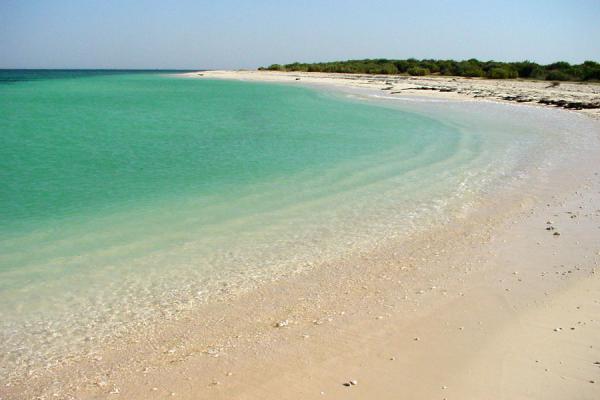
Situated some 465 km southeast of Cairo, the Red Sea coastal city of Nuweiba is ideal for backpackers. Sandwiched between the picturesque Sinai mountains and the tranquil gulf of Aqaba, the small, camp-based tourist spot provides all a traveler could ask for when he or she needs a relaxing weekend away from the hustle and bustle of the city.

To reach Nuweiba, you can either fly, or take a car, bus or microbus. The flight schedule is twice a week (Sundays and Thursdays); a round trip from the capital costs LE775 on economy class. Buses leave from Cairo in the morning and at night; bus tickets cost about LE70. They depart from the downtown Torgoman bus station and from the Heliopolis bus station in Almaza.
While the Swisscare Nuweiba Resort Hotel and the Hilton Nuweiba Coral Resort are both fine hotels, the ultimate Nuweiba experience is to enjoy one of the Bedouin-style camps located along the beach. Cheap huts are available in these camps for backpackers visiting the coast to enjoy the sand and sun or go snorkeling in the pristine Red Sea.
Two camps are particularly popular in Nuweiba: Soft Beach and Basata Camp.
Nevertheless, the camp’s environment-friendly policy, writ large in every detail of the camp, is both inspiring and encouraging.
Petra camp
meanwhile, is a personal favorite. It is located in a central area that is a ten-minute walk from Soft Beach, allowing you a to drop by the beach there. The hotel itself is built with some sense of artistry and boasts a huge dinning area where an excellent chef serves a variety of dishes. The huts are air-conditioned and spacious, furnished with a bed, an extra mattress and a table. You pay around LE60 per night, and can expect to pay LE50 for the three daily meals.
Other than swimming, eating, smoking and playing cards, there isn’t much to do in Nuweiba. There is no party scene or clubbing venue. The coast is exclusively meant for relaxation, where little happens except sun and calm waves. Nothing could be more soothing and therapeutic after a hectic week in the busy city.
To reach Nuweiba, you can either fly, or take a car, bus or microbus. The flight schedule is twice a week (Sundays and Thursdays); a round trip from the capital costs LE775 on economy class. Buses leave from Cairo in the morning and at night; bus tickets cost about LE70. They depart from the downtown Torgoman bus station and from the Heliopolis bus station in Almaza.
While the Swisscare Nuweiba Resort Hotel and the Hilton Nuweiba Coral Resort are both fine hotels, the ultimate Nuweiba experience is to enjoy one of the Bedouin-style camps located along the beach. Cheap huts are available in these camps for backpackers visiting the coast to enjoy the sand and sun or go snorkeling in the pristine Red Sea.
Two camps are particularly popular in Nuweiba: Soft Beach and Basata Camp.
Basata
one of the very few eco-lodges in Sinai, is almost internationally recognized as the ultimate tourist spot in the area. The management’s laissez-faire philosophy--whereby guests cook their own meals--creates an almost hippy-like air of intimacy. But despite the basic setting, one can end up paying up to LE150 per night, including food.Nevertheless, the camp’s environment-friendly policy, writ large in every detail of the camp, is both inspiring and encouraging.
Soft Beach
on the other hand, is cheaper than Basata, and--as indicated by its name--is located on drags of soft, white sand, with a beach in which you can swim without worrying about rocks or unwelcome sea creatures. Soft Beach’s huts are small and uncomfortable, though, unless you take one of the new huts located away from the beach.Petra camp
meanwhile, is a personal favorite. It is located in a central area that is a ten-minute walk from Soft Beach, allowing you a to drop by the beach there. The hotel itself is built with some sense of artistry and boasts a huge dinning area where an excellent chef serves a variety of dishes. The huts are air-conditioned and spacious, furnished with a bed, an extra mattress and a table. You pay around LE60 per night, and can expect to pay LE50 for the three daily meals.
Castle Beach
is another commonly visited spot on the coast, situated at the famous land intersection by the beach known as Ras el-Shaitan. Castle Beach is known for its delicious pasta and pizza, and has been home to repeat visitors from around the world.Other than swimming, eating, smoking and playing cards, there isn’t much to do in Nuweiba. There is no party scene or clubbing venue. The coast is exclusively meant for relaxation, where little happens except sun and calm waves. Nothing could be more soothing and therapeutic after a hectic week in the busy city.
Jabana Bedouin coffee
As far as they can remember, their grandfathers and great-grandfathers have been drinking jabana, a type of coffee that evolved from a drink into a tradition, its thorough preparation being more an art than science. One cup is poured after another and the ritual works just as well as a focal point when meeting friends as it does an ice-breaker with strangers.

The coffee bean used in preparing jabana is imported from Sudan and the drink has its own special kit, a feature of every household. Those who are able to brew a special fingan (small cup) of jabana receive the occasional pat on the back for the skill that brings the group together. Jabana is seen as such an integral part of the culture that at the tomb of Sheikh Saadallah, a pious man who lived in the area and whose tomb lies in the western part of Wadi el-Gemal, a set is left for visitors to use. The locals claim that the set has never been stolen and that travelers always leave it in perfect condition for others to use.
The ingredients of jabana and the brewing kit come carried on camelback from Sudan. You can buy them from the main market in Shalateen for reasonable prices, and one local told me that he found a place in downtown Cairo, famous for coffee shops run by Sudanese, where he could obtain the beans.

The main ingredients are the coffee beans, sugar and ginger. To make the coffee you always start with the beans, when they're still raw and green. Each time you want some fresh coffee you must go through the whole coffee-making process of toasting, grounding and brewing. It might take some time, but for Bedouins time is aplenty when you are herding your camels in the mountains. But the time is not be wasted, as there is as much enjoyment in the process as in the drinking itself. The sugar, of course, is one optional ingredient that you can skip depending on your taste, but in the mountains not adding sugar is unheard of.
The jabana kit consists of seven items, with the center piece being the container in which the coffee is brewed and which shares its name with the coffee beans. The jabana can be found either in traditional pottery or modern, more resilient aluminum, and will cost you around LE15. The jabana also has a small base to rest it on once you remove it from the fire, and you will need a piece of loofah to cut into small pieces and use as filters.
When the jabana is being used for the first time it is recommended to crush some green coffee beans and black pepper together and boil them in some water inside the jabana. According to one of our local guides, who has the reputation of being an excellent jabana maker, this will help it withstand strong fires in the future and decrease the chances of it breaking and spoiling the drink.
A tin can with a handle made of metal wire is your best tool for toasting the beans. While using a normal pan will do the job, when toasting over a coal fire it will take longer to heat up. First the beans are toasted in the metal tin over the coal fire, getting turned over occasionally until they are dark brown in color. By the time the toasting is done, the shell should have broken off the beans. You should blow them off to get rid of them, and beans that do not lose their shells are best discarded.
A mortar and pestle are essential for grinding the beans once you have toasted them. The mortar is made of wood and the pestle is of rock, both made in Omdurman, in northern Sudan. A piece or two of ginger root should be crushed in the mortar before the beans are added, then the whole mixture is crushed to small bits.
The mixture is added to the jabana and topped with some water. It is then left to broil over the coal for about five minutes, and then the coffee is ready. The cup is prepared by filling half of it with sugar. Now the final touch is to put the piece of loofa in the mouth of the jabana, so that it filters the beans and ginger bits, and the coffee is poured and ready for your enjoyment.
Needless to say the traditional tiny Bedouin coffee cup is ideal for drinking your coffee, since it is best enjoyed in small quantities at a time.
So in short, to make jabana like a true Bedouin, you need to follow these steps as described above:
1. Toast beans until brown
2. Use mortar and pestle to crush some ginger
3. Add the beans to the mortar and crush the mixture
4. Add ingredients to Jabana with some water, and place it on the coal fire
5. Wait for about five minutes, until the water boils
6. Fill each cup with sugar, according to your taste (Bedouins prefer half a fingan)
7. Add loofah filter to the mouth of jabana
8. Pour into tiny cups
9. Enjoy!
Link

The coffee bean used in preparing jabana is imported from Sudan and the drink has its own special kit, a feature of every household. Those who are able to brew a special fingan (small cup) of jabana receive the occasional pat on the back for the skill that brings the group together. Jabana is seen as such an integral part of the culture that at the tomb of Sheikh Saadallah, a pious man who lived in the area and whose tomb lies in the western part of Wadi el-Gemal, a set is left for visitors to use. The locals claim that the set has never been stolen and that travelers always leave it in perfect condition for others to use.
The ingredients of jabana and the brewing kit come carried on camelback from Sudan. You can buy them from the main market in Shalateen for reasonable prices, and one local told me that he found a place in downtown Cairo, famous for coffee shops run by Sudanese, where he could obtain the beans.

The main ingredients are the coffee beans, sugar and ginger. To make the coffee you always start with the beans, when they're still raw and green. Each time you want some fresh coffee you must go through the whole coffee-making process of toasting, grounding and brewing. It might take some time, but for Bedouins time is aplenty when you are herding your camels in the mountains. But the time is not be wasted, as there is as much enjoyment in the process as in the drinking itself. The sugar, of course, is one optional ingredient that you can skip depending on your taste, but in the mountains not adding sugar is unheard of.
The jabana kit consists of seven items, with the center piece being the container in which the coffee is brewed and which shares its name with the coffee beans. The jabana can be found either in traditional pottery or modern, more resilient aluminum, and will cost you around LE15. The jabana also has a small base to rest it on once you remove it from the fire, and you will need a piece of loofah to cut into small pieces and use as filters.
When the jabana is being used for the first time it is recommended to crush some green coffee beans and black pepper together and boil them in some water inside the jabana. According to one of our local guides, who has the reputation of being an excellent jabana maker, this will help it withstand strong fires in the future and decrease the chances of it breaking and spoiling the drink.
A tin can with a handle made of metal wire is your best tool for toasting the beans. While using a normal pan will do the job, when toasting over a coal fire it will take longer to heat up. First the beans are toasted in the metal tin over the coal fire, getting turned over occasionally until they are dark brown in color. By the time the toasting is done, the shell should have broken off the beans. You should blow them off to get rid of them, and beans that do not lose their shells are best discarded.
A mortar and pestle are essential for grinding the beans once you have toasted them. The mortar is made of wood and the pestle is of rock, both made in Omdurman, in northern Sudan. A piece or two of ginger root should be crushed in the mortar before the beans are added, then the whole mixture is crushed to small bits.
The mixture is added to the jabana and topped with some water. It is then left to broil over the coal for about five minutes, and then the coffee is ready. The cup is prepared by filling half of it with sugar. Now the final touch is to put the piece of loofa in the mouth of the jabana, so that it filters the beans and ginger bits, and the coffee is poured and ready for your enjoyment.
Needless to say the traditional tiny Bedouin coffee cup is ideal for drinking your coffee, since it is best enjoyed in small quantities at a time.
So in short, to make jabana like a true Bedouin, you need to follow these steps as described above:
1. Toast beans until brown
2. Use mortar and pestle to crush some ginger
3. Add the beans to the mortar and crush the mixture
4. Add ingredients to Jabana with some water, and place it on the coal fire
5. Wait for about five minutes, until the water boils
6. Fill each cup with sugar, according to your taste (Bedouins prefer half a fingan)
7. Add loofah filter to the mouth of jabana
8. Pour into tiny cups
9. Enjoy!
Link
Tuesday, June 29, 2010
Budget accomodation in Sinai
Sawa Bedouin Hoosha Camp Nuweiba.
Link
The Hoosha huts are beautifully built made from Bamboo and palm leaves.
Each has its own porch with a hammock or tables and chairs, especially so you can relax and unwind during the day in the shade, or in the evening The accommodation huts are located on the beach, about two to three meters from the sea, making it the perfect place to fall asleep to the sound of the waves in the background.
The Hoosha’s roof is made of palm leaves that lets the moonlight enter, and create a magical dreamy atmosphere. Each Hoosha has a double or single mattress (at your request), clean sheets and pillows, and a mosquito net.
If you stay in a Hoosha, it’s best if you bring your own sleeping bag and towel (but don't worry we have a spare, just in case...)
The floor is made from concrete (not sand) and covered with colorful Sinai carpets. Light is available during the night in the Hoosha
During high season checkout time is 12:00


------------------------------------------------------------------------------
Beach Hut Accommodation
At Harby's accommodation is a traditional Bedouin 'hoosha' - a straw beach hut / cabin,
All of our beach huts are clean and comfortable, equiped with Bedouin carpets, mattresses, a small sitting area and a balcony covered with carpets to watch the sea and the sunrise. Each hut has its own hammock and we supply sheets and blankets (in winter). The shower stalls and lavatories are nicely designed, airy and kept clean around the clock.
Link
---------------------------------------------------
RockSea is a resort for lovers of simplicity, who can none less appreciate the availability of electricity, tidy shared bathrooms and a diverse and delicious menu.
Owned and operated by a German family, it is the most quiet and least crowded camp in South Sinai with just 20 straw huts and wooden bungalows spread over a vast 400 m stretch of rocky cliffs and coral beach.
RockSea is open for all guests, with its various offers; it creates a lovely memory of your incredible stay in a peaceful atmosphere.
Link


-------------------------------------------------------------
Situated directly on the beach, the small bungalows are built from wood and palm leaves which are positioned around the camp. From the beach there are two reefs which are excellent for snorkeling, where you can see a variety of colourful fish and coral. If you feel a little nervous, no problems someone will snorkel with you. The scenic view of the mountains behind and looking across the red sea is a beautiful site to take in. The bungalows are quaint and cosy and are situated directly on the beach. There are separate common toilet and shower facilities, consisting of 4 showers and 6 toilets and kept to a good clean standard. The cafeteria is open all day for refreshments, and meals. The beach is very spacious and has many different places for you to relax, (bedouin style with cushions and carpets), or just relax on one of the sun lounges. The restaurant/cafeteria is open all day for snacks and refreshments. There many great places to visit and ecperience, The most famous 1 day trips: Camel Riding School Nuweiba, Bedouin Dinner, Camel Riding for the whole family, Coloured Canyon, White Canyon, Ein Khudra Oasis, Mount Sinai & St.Katharina, Gebbel Berga, Gebbel Makhroum ,Ras Wadi Ghazala, 'Mushrooms' Ras Mumlah, Ras Abu Galum, Blue Desert, Ein Umm Ahmed Oasis.
-------------------------------------------------------------
Habiba Village Camp.
Situated on the beautiful beach of Habiba Bay the village overlooks the glistening Gulf of Aqaba - the Saudi Arabian high mountains only a stone's throw away and not far from the town centre. Habiba offers different types of accommodation: wooden cabins and comfortable rooms with private bathroom. Habiba is an ideal place; close to nature in simple but comfortable and clean accommodation. Nicely furnished rooms are equipped with fan, en-suite bathroom and constant hot water. In thatched bungalows with double beds you can lie and gaze at the night sky. Excellent food is served in the 2 restaurants, the Beach Restaurant in casual atmosphere and for dining in style Mataamak Restaurant. Tours and excursions can be organized on spot. At Mataamak Restaurant you can enjoy a special dining event in romantic atmosphere. In the shine of candle light you can watch how your choice of food is prepared in front of you.


Link
The Hoosha huts are beautifully built made from Bamboo and palm leaves.
Each has its own porch with a hammock or tables and chairs, especially so you can relax and unwind during the day in the shade, or in the evening The accommodation huts are located on the beach, about two to three meters from the sea, making it the perfect place to fall asleep to the sound of the waves in the background.
The Hoosha’s roof is made of palm leaves that lets the moonlight enter, and create a magical dreamy atmosphere. Each Hoosha has a double or single mattress (at your request), clean sheets and pillows, and a mosquito net.
If you stay in a Hoosha, it’s best if you bring your own sleeping bag and towel (but don't worry we have a spare, just in case...)
The floor is made from concrete (not sand) and covered with colorful Sinai carpets. Light is available during the night in the Hoosha
During high season checkout time is 12:00


------------------------------------------------------------------------------
"Harby's Place" Hoosha Hut Nuweiba
Beach Hut Accommodation
At Harby's accommodation is a traditional Bedouin 'hoosha' - a straw beach hut / cabin,
All of our beach huts are clean and comfortable, equiped with Bedouin carpets, mattresses, a small sitting area and a balcony covered with carpets to watch the sea and the sunrise. Each hut has its own hammock and we supply sheets and blankets (in winter). The shower stalls and lavatories are nicely designed, airy and kept clean around the clock.
Link
---------------------------------------------------
Rocksea Camp Nuweiba.
RockSea is a resort for lovers of simplicity, who can none less appreciate the availability of electricity, tidy shared bathrooms and a diverse and delicious menu.
Owned and operated by a German family, it is the most quiet and least crowded camp in South Sinai with just 20 straw huts and wooden bungalows spread over a vast 400 m stretch of rocky cliffs and coral beach.
RockSea is open for all guests, with its various offers; it creates a lovely memory of your incredible stay in a peaceful atmosphere.
Link


-------------------------------------------------------------
Barracuda Camp Nuweiba
Situated directly on the beach, the small bungalows are built from wood and palm leaves which are positioned around the camp. From the beach there are two reefs which are excellent for snorkeling, where you can see a variety of colourful fish and coral. If you feel a little nervous, no problems someone will snorkel with you. The scenic view of the mountains behind and looking across the red sea is a beautiful site to take in. The bungalows are quaint and cosy and are situated directly on the beach. There are separate common toilet and shower facilities, consisting of 4 showers and 6 toilets and kept to a good clean standard. The cafeteria is open all day for refreshments, and meals. The beach is very spacious and has many different places for you to relax, (bedouin style with cushions and carpets), or just relax on one of the sun lounges. The restaurant/cafeteria is open all day for snacks and refreshments. There many great places to visit and ecperience, The most famous 1 day trips: Camel Riding School Nuweiba, Bedouin Dinner, Camel Riding for the whole family, Coloured Canyon, White Canyon, Ein Khudra Oasis, Mount Sinai & St.Katharina, Gebbel Berga, Gebbel Makhroum ,Ras Wadi Ghazala, 'Mushrooms' Ras Mumlah, Ras Abu Galum, Blue Desert, Ein Umm Ahmed Oasis.
-------------------------------------------------------------

Habiba Village Camp.
Situated on the beautiful beach of Habiba Bay the village overlooks the glistening Gulf of Aqaba - the Saudi Arabian high mountains only a stone's throw away and not far from the town centre. Habiba offers different types of accommodation: wooden cabins and comfortable rooms with private bathroom. Habiba is an ideal place; close to nature in simple but comfortable and clean accommodation. Nicely furnished rooms are equipped with fan, en-suite bathroom and constant hot water. In thatched bungalows with double beds you can lie and gaze at the night sky. Excellent food is served in the 2 restaurants, the Beach Restaurant in casual atmosphere and for dining in style Mataamak Restaurant. Tours and excursions can be organized on spot. At Mataamak Restaurant you can enjoy a special dining event in romantic atmosphere. In the shine of candle light you can watch how your choice of food is prepared in front of you.


Bedouin threaten to attack gas pipeline to Israel
June 28, 2010

Egyptian police beefed up security around a Sinai peninsula pipeline that supplies Israel with natural gas after a group of wanted Bedouin threatened to sabotage it, security officials said on Monday.
The Bedouin group, which consists of at least a dozen armed fugitives, has clashed with police since its leader Salim Lafi escaped from a prison truck in an ambush that killed a policeman in February.
Security officials said police had received warnings the group threatened to attack the pipeline, which since 2008 has supplied Israel with 1.7 billion cubic metres (60 billion cubic feet) of gas a year despite angry opposition to the supply deal within Egypt.
An Israeli infrastructure ministry spokeswoman said Egypt provides about a third of Israel's natural gas.
Police relations with Sinai Bedouin are usually tense, with Bedouin complaining of routine harassment and discrimination.
Security officials said police were also increasing their presence around El-Arish airport and the Al-Ouja crossing with Israel.
A Bedouin activist in central Sinai, where Lafi is believed to be hiding, said police were exploiting the threat to crack down on the Bedouin.
"There were threats about the pipeline. But the Bedouin have not reached this point of escalation," said Mussa el-Daleh.
"We are Bedouin. The police don't distinguish between outlaws and others," he said, adding that the threats were in response to a security crackdown after Lafi's escape.
Lafi was jailed after Bedouin tribesman briefly held dozens of policemen in response to the killing of three Bedouin in a protest in November 2008.
Police have denied allegations that they arrested Lafi's relatives to pressure him to surrender.
Rights groups have criticised Egypt's policies towards the Bedouin, who were subjected to harsh police treatment after a series of bombings in Sinai resorts between 2004 and 2006, which killed dozens of Egyptians and foreign tourists.
Source: AFP Global Edition

Egyptian police beefed up security around a Sinai peninsula pipeline that supplies Israel with natural gas after a group of wanted Bedouin threatened to sabotage it, security officials said on Monday.
The Bedouin group, which consists of at least a dozen armed fugitives, has clashed with police since its leader Salim Lafi escaped from a prison truck in an ambush that killed a policeman in February.
Security officials said police had received warnings the group threatened to attack the pipeline, which since 2008 has supplied Israel with 1.7 billion cubic metres (60 billion cubic feet) of gas a year despite angry opposition to the supply deal within Egypt.
An Israeli infrastructure ministry spokeswoman said Egypt provides about a third of Israel's natural gas.
Police relations with Sinai Bedouin are usually tense, with Bedouin complaining of routine harassment and discrimination.
Security officials said police were also increasing their presence around El-Arish airport and the Al-Ouja crossing with Israel.
A Bedouin activist in central Sinai, where Lafi is believed to be hiding, said police were exploiting the threat to crack down on the Bedouin.
"There were threats about the pipeline. But the Bedouin have not reached this point of escalation," said Mussa el-Daleh.
"We are Bedouin. The police don't distinguish between outlaws and others," he said, adding that the threats were in response to a security crackdown after Lafi's escape.
Lafi was jailed after Bedouin tribesman briefly held dozens of policemen in response to the killing of three Bedouin in a protest in November 2008.
Police have denied allegations that they arrested Lafi's relatives to pressure him to surrender.
Rights groups have criticised Egypt's policies towards the Bedouin, who were subjected to harsh police treatment after a series of bombings in Sinai resorts between 2004 and 2006, which killed dozens of Egyptians and foreign tourists.
Source: AFP Global Edition
Wednesday, June 23, 2010
Hiking tours in Sinai
Bedouin Path Hiking Tours
Bedouin Paths provides an all-inclusive hike so that you do not need to worry about additional costs. The hike includes ALL of the following:
- * All accommodation while in Katherine
- * All hiking accommodation in the Bedouin huts during the hike
- * All food and drink (except alcohol – bring your own)
- * All Tour Leader and Tour Guide costs
- * All camel driver and chef costs
- * All equipment and support items (bedding etc)
- * All transport during the hike
If you have any special request, please contact us customercare@bedouinpaths.com
To book, call Travel Crusader on +44 (0) 208 744 0474
Prices are per person and for a minimum of 2 people.
To book, call Travel Crusader on +44 (0) 208 744 0474
Prices are per person and for a minimum of 2 people.
Link
Gebel Musa Mount Sinai Mountain Refuge
Mahmoud's Mt Sinai Refuge
Mount Sinai is known as Jabal Musa by the local Jabaleya

Mount Sinai Refuge with the whitewashed Chapel of the Prophet Elijah in the background
Many travellers visit the mountain every night to capture some of the mystery of its past but lose it in the long climb up and the desperate pack of tourists besieging the summit for sunrise.
We offer an alternative: climb the little frequented back routes of Mount Sinai along old pilgrimage trails as far as Elijah’s basin and watch the sun set; dine round a camp-fire and sleep under a Bedouin tent; wake up an hour before dawn, climb to the summit and join the pilgrims for sunrise; retreat to the quiet of Elijah’s basin for breakfast and fresh bread; then either return to the monastery or stay and explore the mountain where ibex graze and lizards warm themselves on the rocks.
We provide bedding, clean eco-toilets and washing facilities. It is always warm during the day, but at night, temperatures can drop precipitously. We ensure that you won’t be cold. Dinner and breakfast are provided.
We also provide authoritative tours of the Monastery.
Please go to our History notes for background to Mount Sinai and the Monastery of St Catherine.

Morning on the summit of Mount Sinai

Service on Mt Sinai

Climbing Mt Sinai with Mt St Catherine in the background

Harduun sunning itself on Mt Sinai
Link
Sinai Camel School
Mohammed's Camel School

Mohamed Musa, camel teacher, with Abdou, the camel, and students
Learn to ride a camel in the spectacular mountains of the St Katherine Protectorate with trained local Bedouin teachers
Lesson 1: Mounting and dismounting while building up confidence with your camel. You will be asked to lead the camel by the rein and couch it. After hobbling it by gently tying the rein around the front legs, you practise the safe way of mounting and dismounting. Mounting once again, you make the camel stand up, walk it round a simple circuit and couch it.
Lesson 2: Fitting the saddle and controlling your camel. You learn to fit the saddle onto the camel's hump, arrange the covers for your own comfort and discover the best sitting position. You will then take your camel round a circuit by changing its direction, urging it on or bringing it to a halt. You will also practice dismounting from a standing camel.
Lesson 3: Changing the pace of your camel. You will learn to change your camel’s pace and gait. As a camel walks, it keeps three feet firmly on the ground and moves its fourth, giving a gently swaying movement to the rider. As it speeds up, it starts to move both legs in tandem on one side and then the other, giving the classic camel gait. When urged on more, the camel can shift into a gallop, pushing off with its two back legs while leaping forward with its two front legs. Students can now race their camels up the wadi.
Lesson 4: Trekking with the camel: You now need practice bringing all the skills together. You will go for a trek to the garden of El Birka Camel School
Between lessons, we supply tea and lunch and plenty of camel talk.
Afterwards, you are free to take a camel trek of your choice.
Trek to Ecolodge: You leave the camel school and trek down Wadi El Firee'a and Wadi Nugra, passing Bedouin gardens and Byzantine ruins until you reach Gebel Bineet when you are obliged to dismount and descend a steep slope with your camel - or take time off to climb Gebel Bineet. From the bottom of the slope, a quick pace will bring you to the Ecolodge. You are then free to stay the night and extend the trek to the following day, visiting Nabatean ruins and old Bronze Age sites, or else return to St Catherine.
Trek around Ain Khodra: You are transferred by car to Ain Khodra in the morning and then have an opportunity to explore the fantastic sands and rockky outcrops of Ain Khodra by camel.
Advanced courses: We have students returning to us who take advanced lessons to further master the art of camel riding and develop a spirit of independence.
Vision: Yallajabaleya! is aiming to develop camel trekking over several days where everyone is mounted, no Bedouin on the ground, moving lightly across the desert, provisions in the camel bags, no pack camels and no vehicular backup. It's the Jabaleya life!

Mohamed Musa

Mohamed's garden and camel school as storm brews

Camel trek to the Ecolodge

Hobbling

Mounting

Saddling

Trekking
Dr Ahmed's Herbal Garden Wadi Itlah
Dr Ahmed's Herbal Garden

Lunch in the Herbal Garden
Dr Ahmed, a well respected local Hakim, skilled in local herbal medicines, runs a school in his garden for local Bedouin children to ensure that his traditional knowledge is not lost to coming generations.
A visit to his garden will provide an insight into the ancient garden tradition of the Jabaleya tribe and an opportunity to explore the other gardens of Wadi Itlah.

To get so much out of the sand and rock of the mountains, the Jabaleya learnt from the monks of Mt Sinai how to graft good fruit bearing trees onto hardy desert stock. The edible fig is grafted onto the wild fig which has drought resistant roots. Pear is grafted onto the resilient Sinai hawthorn. New varieties of apricot are grafted onto the ancient apricot trees of the mountains.

The Jabaleya avoid chemical fertilizers, preferring to collect dung from the goat shed which they leave in the sun for several months until all the bacteria and insects have been killed off by the intense sunlight. It then becomes suitable for digging into the soil around the trees.
Pests are controlled by simple expedients such as fitting bags around the pomegranates to prevent infestation by the caterpillars of the oddly named Pomegranate Playboy butterfly. All the produce is therefore organic.
While vegetables and animal fodder are grown between the trees, the wild herbs are left to sprout amongst the rocks and boulders. The Bedouin know their plants and use Hineida (Chilidenus montanus) to treat kidney ailments, Qaysoum (Achillea fragrantissima) for a headache, Sakaran (Hyoscyamus muticus) to treat asthma and Samwa (Cleome droserifolia) for diabetes.
Apricots ripen in May when a mature tree can produce as much as 70 kilograms. There is therefore a glut when you can feast off the fresh fruits or guzzle the freshly squeezed juice. The excess then needs to be dried in the hot sun and stored in bags to be used later in the year. Pears appear in July. Figs ripen in August. Dates are harvested in September. Olives are knocked off the trees in December. The fruiting seasons give a rhythm to the life of the Bedouin.
In the nearby garden of Mohamed Musa, irrigation techniques are employed that go back to Byzantine times. Water drawn from a well is stored in a stone tank at the top of the garden. A sluice gate at the foot of the tank can be opened to release water which gushes out along stone channels to depressions dug in around the trees. By plugging one channel and opening up another, Mohamed can redirect the water where he wants.
As well as the gardens, Wadi Itlah also shelters the cave and shrine of John Climacus, the most important literary figure of early desert monasticism whose Ladder of Divine Ascent is the most widely read spiritual text in the Eastern Orthodox Church. Go to History notes to find an article on John Climacus.
Please go to our Botany notes for more information on some of the fascinating plants of the area.
Subscribe to:
Posts (Atom)